Plumber Salary NYC: What You'll Actually Earn in the Big Apple (And Why It Matters)
Jan 6, 2026
Jan 6, 2026
Look, I've been tracking what plumbers actually make in this city for years, and the numbers might surprise you. When people ask me about plumber salary NYC, I don't give them some corporate BS - I tell them what my neighbors in the trade are really bringing home.
According to the Bureau of Labor Statistics, employment of plumbers, pipefitters, and steamfitters is projected to grow 4 percent from 2024 to 2034, with about 44,000 openings projected each year on average over the decade, driven largely by the need to replace retiring workers.
Here's the deal: if you're just starting out, you're looking at somewhere between $45,000-$55,000. Not exactly champagne money, but it's a solid start in a city where most people are drowning in student loans. The guys who've been doing this for a while? They're pulling in $75,000-$95,000, and the union guys who don't mind working overtime are breaking six figures pretty regularly.
I know a guy - let's call him Tony - who started as an apprentice in Brooklyn seven years ago. Dude was making barely enough to split a two-bedroom in Ridgewood with three roommates. Fast forward to today, he's got his own place in Astoria and just bought a decent truck. That's what happens when you stick with it and don't get distracted by get-rich-quick schemes.
The national data backs up what I'm seeing locally. Entry-level plumbers are projected to earn a median of $53,900 annually ($25.91 per hour), while intermediate plumbers with 2-4 years of experience reach $70,000 ($33.65 per hour). Senior plumbers with 4-6 years command $75,800 ($36.44 per hour), according to ServiceTitan Plumber Salary Data.
Some specialties just pay better, period. If you can figure out steam systems in those old Manhattan buildings, you're golden. Property managers will throw money at you because half the plumbers in the city run away when they see a 100-year-old boiler.
Green plumbing is another goldmine if you can stomach the extra certifications. Everyone's going eco-friendly, and building owners need someone who actually knows what they're doing with these new systems. Medical gas work pays stupid money, but you need the patience to deal with hospital bureaucracy.
My buddy specializes in steam heating for pre-war buildings in the Upper West Side. While regular residential guys are charging $85-100 an hour, he's getting $120-150 because he's one of maybe twenty guys in the city who really understands those old radiator systems. The learning curve was brutal, but now he's booked solid.
Understanding how much do plumbers make in these specialty areas reveals the significant earning potential for those willing to develop niche expertise. The complexity of NYC's infrastructure creates unique opportunities that not every plumber possesses.
Many successful plumbers eventually transition to entrepreneurial ventures, and understanding the real cost of living in NYC becomes crucial when planning business expansion and pricing strategies.
Here's where I need to keep it real with you - yeah, plumbers make decent money in NYC, but this city will eat your paycheck alive if you're not careful. That $75K sounds great until you realize you're spending $2,800 for a one-bedroom in Queens that your friends in Ohio could get for $800.
Most successful plumbers I know have side hustles or work overtime to actually get ahead. The key is not letting lifestyle inflation kill you. Just because you're making more doesn't mean you need to live in Manhattan and eat $15 salads for lunch.
Many successful plumbers supplement their income through overtime, emergency calls, and side work. While your gross income might be higher than plumbers in other cities, your net purchasing power requires strategic planning and often additional income streams.
|
Borough |
Entry-Level Range |
Experienced Range |
Premium Specialties |
|
Manhattan |
$50,000-$65,000 |
$80,000-$110,000 |
$95,000-$130,000 |
|
Brooklyn |
$47,000-$58,000 |
$75,000-$98,000 |
$85,000-$115,000 |
|
Queens |
$46,000-$57,000 |
$73,000-$95,000 |
$83,000-$112,000 |
|
Bronx |
$44,000-$54,000 |
$70,000-$90,000 |
$80,000-$105,000 |
|
Staten Island |
$43,000-$53,000 |
$68,000-$88,000 |
$78,000-$102,000 |
This is where the money is, but it's also where your sanity goes to die. Yes, you'll make $80,000-$110,000 if you're experienced, but you'll also spend half your life stuck in traffic and the other half trying to find parking. Commercial jobs in Midtown can pay 15-20% more than residential, but you're dealing with building supers who think they know more than you do.
Working in Manhattan means dealing with unique logistical challenges - from navigating building regulations to working in cramped spaces in century-old buildings. These challenges are reflected in the compensation structure and help answer how much does a plumber make in the city's most demanding borough.
Recent data reveals the exceptional earning potential for NYC municipal plumbers, with "the highest-paid plumber in New York City earned $363,777 in fiscal year 2024, and 148 other plumbers earned more than $200,000" according to Real Clear Investigations, highlighting how overtime opportunities can significantly boost total compensation.
For plumbers working in Manhattan's premium market, understanding Manhattan neighborhoods becomes essential for targeting the highest-paying residential and commercial opportunities.
Brooklyn - Sweet spot for a lot of guys. You're making $75,000-$98,000, the work is varied, and you're not dealing with Manhattan's logistical nightmares. Plus, you can actually find a decent place to live without selling a kidney.
Queens - Similar to Brooklyn but with more single-family homes. Good steady work, less pretentious clients, and you can get around without wanting to throw your van keys into the East River.
These boroughs present a mix of residential and commercial work, with growing neighborhoods creating consistent demand for both new installations and renovation projects. The diversity of housing stock - from historic brownstones to modern developments - provides varied work experiences that can enhance your skill set while maintaining competitive wages.
Plumbers working in these boroughs benefit from understanding the best neighborhoods in NYC to identify emerging markets and high-value service areas.
Bronx and Staten Island - Lower pay ($70,000-$90,000 range) but also lower stress. You'll build better relationships with customers, and the work tends to be more predictable. Some guys prefer this to the Manhattan rat race.
These markets often have less competition and can provide more consistent work relationships with local contractors and property management companies. The residential focus in these areas can lead to more predictable schedules and the opportunity to build long-term client relationships, which can be valuable for plumbers considering eventual entrepreneurship.
Let's be honest about the apprentice years - they suck financially. You're making 40-50% of what the journeymen make, which means you're probably living with roommates and eating a lot of ramen. But here's the thing: every year you stick with it, you're looking at 10-15% raises if you're not screwing around.
The apprentices who make it are the ones who show up on time, don't complain about the dirty work, and actually listen when the old-timers are trying to teach them something. I've seen too many kids wash out because they thought they were too good to crawl under buildings or deal with the gross stuff.
This progression isn't just about time served - it's about demonstrating competency and reliability. The structured nature of plumbing salary progression provides clear financial milestones throughout your career development.
Career Progression Checklist:
This is when things get real. You're finally making full wages, you can work independently, and people stop treating you like the coffee boy. A good journeyman in Brooklyn can start at $75K and be at $88K within two years if they specialize and get their certifications.
The jump from apprentice to journeyman is huge - not just in pay, but in respect. Suddenly, customers are asking for your opinion instead of asking where the "real plumber" is.
Journeyman status represents full earning potential for employed plumbers and marks a significant milestone in your career development. The transition often comes with increased responsibility, including mentoring apprentices and taking on more complex projects.
A newly licensed journeyman plumber in Brooklyn might start at $75,000 annually with a mid-sized contractor, but within two years, by specializing in commercial HVAC integration and obtaining additional certifications, they could advance to $88,000 while also earning overtime premiums for emergency calls.
Getting your master license is like getting the keys to the kingdom. Now you can pull permits, run your own crew, and start your own business if you want. Some of the most successful plumbers I know went this route and never looked back.
But here's the catch - with great power comes great liability. You're responsible for everything your crew does, and if something goes wrong, it's your license on the line. Not everyone wants that stress.
Achieving master plumber status opens entrepreneurial opportunities and represents the highest income tier in the profession. This level requires significant experience, additional education, and passing comprehensive examinations. However, the investment often pays substantial dividends through business ownership opportunities and the ability to bid on larger commercial projects. Understanding journeyman plumber salary progression helps map the path to master-level earnings.

The union thing is complicated, and anyone who tells you it's black and white is selling you something.
Union guys get better benefits, more job security, and access to bigger projects. The pension alone is worth considering if you're thinking long-term. But you also get less flexibility, and sometimes you're stuck on jobs you hate because that's where they send you.
Non-union gives you more control over your schedule and the ability to negotiate your own deals. You can take that Tuesday off for your kid's school play, but you might also find yourself scrambling for work during slow periods.
I know guys who swear by both paths. It really depends on what you value more - security or flexibility.
The earning potential through overtime is substantial, as demonstrated by recent NYC Housing Authority data showing supervisor plumbers like "Jakub Karkowski received $331,814 in OT and total annual pay of $465,034" according to Empire Center, illustrating how union positions with overtime opportunities can lead to exceptional total compensation packages.
Understanding how much plumbers make in different employment structures helps you choose the path that aligns with your career goals and lifestyle preferences.
NYC's infrastructure is old, and old stuff breaks. Constantly. New buildings are going up, old buildings need upgrades, and everyone needs maintenance. The work isn't going anywhere.
Economic downturns? People still need working toilets. Construction slowdowns? All those existing buildings still need service. It's about as recession-proof as you can get.
Economic conditions, construction cycles, and municipal projects all influence earning opportunities and wage growth. Understanding these cycles can help you position yourself for the most lucrative opportunities and plan your career advancement strategically.
Here's where you can really boost your income - winter emergencies and after-hours calls. When someone's pipes freeze at 11 PM on a Sunday in January, they'll pay whatever you ask. I know guys who make their whole year during a few brutal winter weeks.
During that crazy cold snap last January, my neighbor was charging $180 an hour for emergency calls (his normal rate is $90). He worked 60 hours that week and made more than some office workers make in three months.
The key is being available when others aren't. Sure, it sucks getting called out at midnight, but it's hard to complain when you're doubling your hourly rate.
Summer construction season provides steady work but at standard rates. Emergency and after-hours calls can significantly boost your annual income through premium billing rates, sometimes doubling or tripling standard hourly rates.
Understanding NYC salary calculator implications helps plumbers optimize their emergency service pricing and overtime strategies.
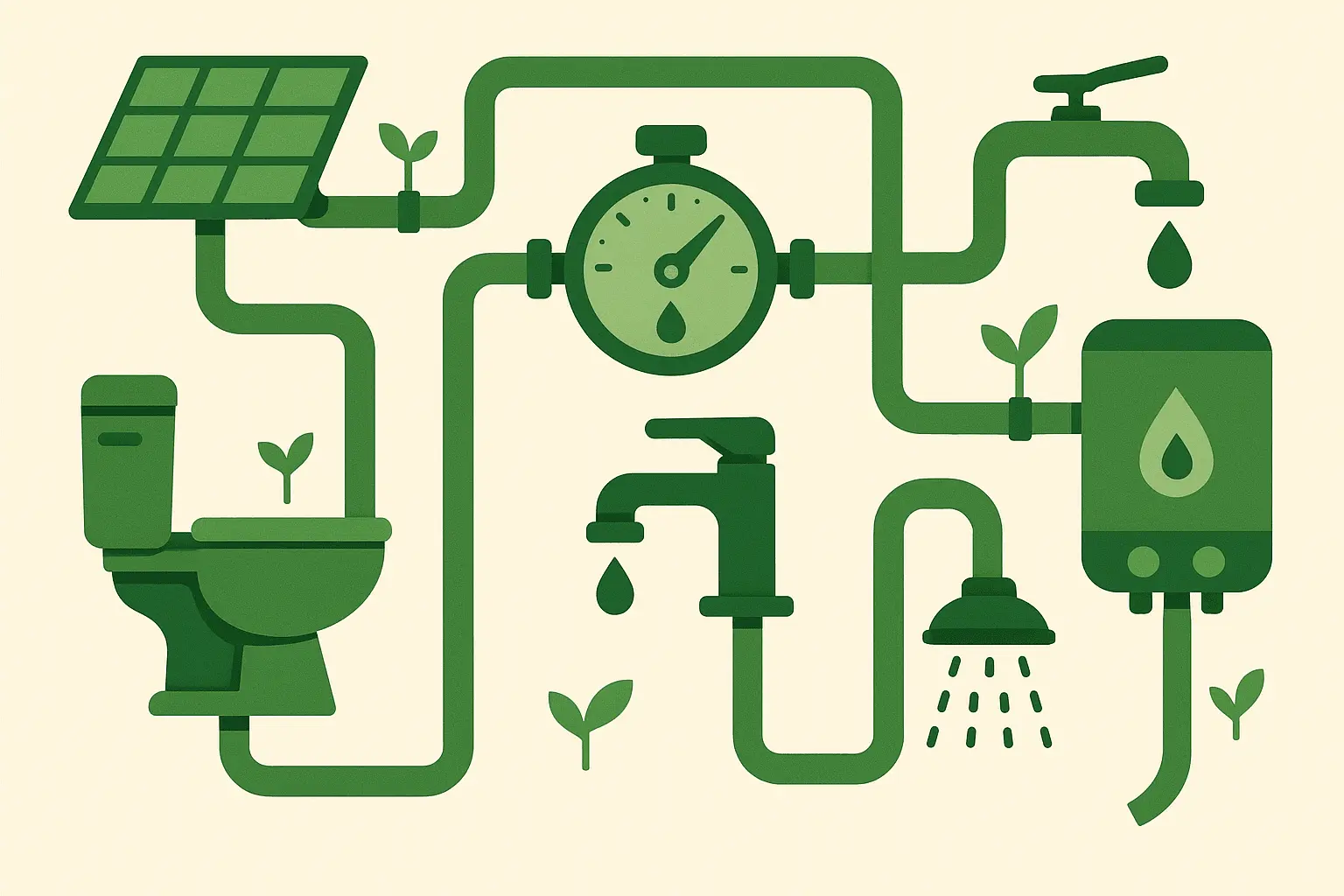
The smart plumbers are learning the new tech - IoT sensors, smart water systems, all that stuff. It seems complicated, but it's really not that different from what we've always done, just with more gadgets.
The guys who resist technology are the ones who end up competing on price for basic repairs. The guys who embrace it are the ones getting called for high-end installations that pay premium rates.
Modern plumbing increasingly requires technical knowledge of smart systems, water conservation technology, and building automation. Plumbers who invest in continuing education and new technology skills often command higher wages and access better job opportunities.
The integration of IoT devices, smart water monitoring systems, and sustainable plumbing solutions creates new specialty areas with premium compensation potential. Staying ahead of these technological trends can significantly impact your earning trajectory.
Union guys typically get killer health insurance - we're talking $18,000-$22,000 value annually. Non-union guys might get something basic or nothing at all. When you're doing physical work for a living, good health coverage isn't optional.
Tool allowances are another big deal. Professional tools are expensive, and if your employer covers $2,000-$3,500 annually, that's money you're not spending out of pocket. Some companies even provide work vehicles, which saves you from putting wear and tear on your personal truck.
Many employers also provide continuing education reimbursement. These benefits can add 20-30% to the effective value of base wages, making the total compensation package much more attractive than salary alone might suggest.
|
Benefit Type |
Union Average Value |
Non-Union Average Value |
Annual Impact |
|
Health Insurance |
$18,000-$22,000 |
$12,000-$16,000 |
$6,000 difference |
|
Pension Contribution |
8-12% of salary |
3-6% of salary |
$4,000-$6,000 |
|
Tool Allowance |
$2,000-$3,500 |
$800-$1,500 |
$1,200-$2,000 |
|
Vehicle/Transportation |
$4,800-$6,000 |
$0-$2,400 |
$2,400-$6,000 |
|
Paid Time Off |
15-25 days |
10-15 days |
$3,000-$5,000 |
Don't just look at the hourly rate - look at the whole package. A union job paying $35/hour with full benefits might actually be worth more than a non-union job paying $40/hour with nothing.
I know a guy who took a slightly lower-paying union job because of the pension. Twenty years later, he's looking at retiring with a decent monthly check while his non-union buddies are wondering how they'll afford to stop working.
The value of these benefits extends beyond their dollar amount - they reduce your out-of-pocket expenses and can improve your work efficiency, potentially leading to higher productivity bonuses or advancement opportunities.
Trade school will run you $10,000-$20,000, but apprenticeship programs often pay you while you learn. The math is pretty simple - even if you spend $20K on education, you'll make that back in your first two years as a journeyman.
The key is not going crazy with expensive programs that promise the moon. A solid, accredited program will teach you what you need to know without breaking the bank.
Becoming a licensed plumber in NYC requires completing approved training programs and accumulating supervised work hours. Though many apprenticeship programs provide paid training that eliminates upfront educational costs, the investment in education typically pays for itself within 2-3 years of achieving journeyman status.
The data shows strong earning progression, with entry-level plumber salaries rising 3.65% nationally since June 2024, and entry-level plumbers earning in the 90th percentile making up to $30 per hour in some cases, demonstrating the financial value of entering this growing field according to ServiceTitan Plumber Salary Data.
Getting licensed in NYC is a pain in the ass, but it's the price of admission. You need classroom hours, work hours, and to pass exams that sometimes seem designed to trick you rather than test your knowledge.
But here's the thing - once you have that license, you're in an exclusive club. Not everyone can do what you do, and that scarcity has value.
The path to full licensure involves multiple steps: completing educational requirements, passing state examinations, accumulating work experience under supervision, and maintaining continuing education credits. Each milestone represents increased earning potential and career advancement opportunities.
NYC Plumber Licensing Requirements Checklist:
The successful plumbers I know never stop learning. New codes, new technologies, new techniques - if you're not growing, you're dying. Green plumbing certifications can add $5,000-$15,000 to your annual income, and they usually pay for themselves within a year.
Specialized certifications often pay for themselves within the first year through access to higher-paying projects and premium billing rates. The key is viewing professional development as an investment rather than an expense.
The Bureau of Labor Statistics says plumbing jobs will grow 6% by 2033, but in NYC, I think it'll be even higher. The city's infrastructure is ancient, climate change is making weather more extreme, and new construction isn't slowing down.
Plus, a lot of the older guys are retiring, which means more opportunities for the younger generation. It's actually a great time to get into the trade.
Industry projections show the plumbing field will add 26,300 jobs by 2033 (a 6% increase), with the industry being relatively recession-proof compared to other construction trades, making it an attractive long-term career choice for those seeking job security and growth potential according to ServiceTitan Plumber Salary Data.
For those considering a career transition, understanding average salary in NYC across different professions helps contextualize the competitive nature of plumbing compensation.
Smart water systems and IoT monitoring aren't going to replace plumbers - they're going to make the smart plumbers more valuable. Someone still needs to install, maintain, and fix these systems.
The plumbers who learn this stuff early are positioning themselves for the highest-paying opportunities. The ones who ignore it will be stuck competing for basic repair work.
The integration of technology in plumbing systems isn't just a trend - it's becoming standard practice. Early adopters of these technologies often become the go-to professionals for high-end residential and commercial projects.
For successful NYC plumbers who've built rewarding careers and achieved financial stability, understanding moving to New York becomes crucial when planning career advancement and lifestyle improvements in the city.
Many skilled tradespeople find that as their careers progress and their earning potential increases, they seek opportunities to connect with like-minded professionals who understand the value of hard work and strategic financial planning. The networking opportunities available through professional associations and community groups can be valuable for career advancement and business development.

Look, plumbing in NYC isn't glamorous. You'll deal with things that would make most people quit on day one. You'll work in conditions that office workers would consider a human rights violation. And some days, you'll wonder why you didn't just get a desk job like your cousin.
But here's the thing - it's honest work that pays well, and there's something to be said for that. You're not pushing papers around or trying to hit arbitrary sales targets. You're fixing real problems for real people, and they appreciate it.
The money is good if you're smart about it. From entry-level positions starting around $45,000 to master plumbers earning well over $100,000, the earning potential reflects the skill, dedication, and expertise required to succeed in this demanding field.
Success in NYC plumbing isn't just about technical skills - it's about understanding the market, investing in ongoing education, and positioning yourself for the highest-value opportunities. Whether you choose union or non-union paths, specialize in emerging technologies, or eventually start your own business, the foundation for financial success exists in this essential trade.
The key is approaching your plumbing career strategically, understanding that each certification, each year of experience, and each new skill adds to your market value. In a city that depends on skilled tradespeople to keep its complex infrastructure running, qualified plumbers will continue to find rewarding opportunities and competitive compensation.
Just don't let anyone tell you it's easy money. Nothing worth having ever is.

Household supplies can be changed or decreaased at Outpost Club’s discretion, or based on supply availability. Outpost is not responsible for temporary losses of utility service. Outpost Club is not responsible for any damages due to absence of any supplies or utilities


If you have a sales related question please call
680-688-7678

 Hot Deals